California is more than a state; it is a global culinary powerhouse. From the sun-drenched orchards of the Central Valley to the fog-swept docks of San Francisco, the “Golden State” offers a food scene defined by extreme freshness, cultural fusion, and a rebellious spirit that ignores traditional culinary rules. If you want to eat like a local, these are the 10 essential dishes that define the California experience.
The Legendary In-N-Out “Animal Style” Burger
No culinary tour of California is complete without a pilgrimage to In-N-Out Burger. While it may appear to be just another vintage-style fast-food chain, In-N-Out commands a cult-like devotion that transcends typical brand loyalty. This obsession isn’t built on massive marketing budgets, but on a rigid, decades-long commitment to quality; you won’t find a single microwave, heat lamp, or freezer in their kitchens. To eat like a true Californian, however, you must look beyond the three basic options on the printed menu and delve into the lore of the Secret Menu.
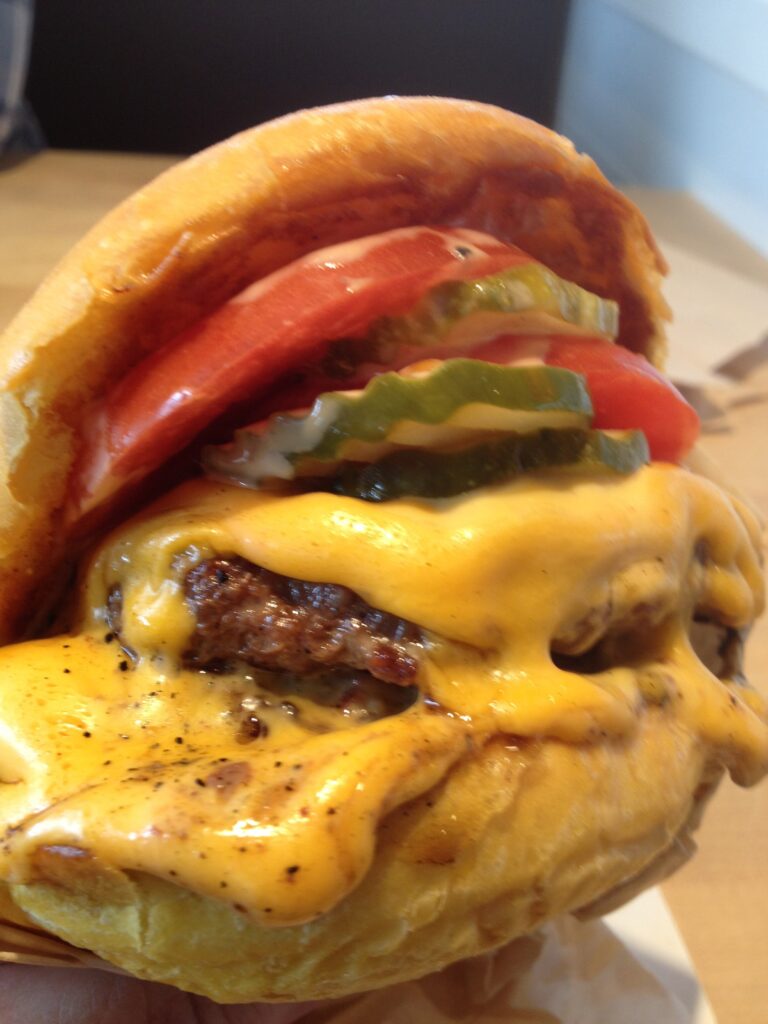
The history of this menu begins in 1948 in Baldwin Park, where Harry and Esther Snyder founded California’s first drive-thru hamburger stand. In the post-WWII era, Southern California was the epicenter of American car culture. The restaurant grew alongside the sprawling freeway system, becoming the quintessential pit stop for road-trippers and commuters alike. The Animal Style moniker reportedly originated in the 1960s as the preferred customization of the “animals”—the rowdy, late-night crowds of surfers and hot-rod enthusiasts who would hang out in the parking lots. What started as a local request for extra flavor eventually became a global phenomenon.The Animal Style Burger remains the gold standard of these off-menu items, representing a masterclass in texture and umami. The process starts with a beef patty that is slathered with mustard before being flipped on the grill, creating a savory, tangy crust known as mustard-searing. It is then loaded with extra spread—a secret Thousand Island-style recipe—along with tart pickles and the most crucial element: a mountain of hand-diced, caramelized grilled onions.
This specific preparation has deep regional significance, acting as a West Coast status symbol. In-N-Out refuses to expand too far from its distribution centers to ensure the meat is never frozen, which keeps the brand tied strictly to its regional roots. The popularity of the Animal Style burger also relies on the in-the-know effect. By ordering off-menu, customers feel like part of an exclusive club. Whether you are a Hollywood A-lister at a post-Oscars party or a student on a midnight run, the yellow neon arrow represents a shared Californian identity that is simple, fresh, and unapologetically classic.
The Massive San Francisco Mission Burrito: A Structural Marvel of Northern California
In the mid-1960s, the humble burrito underwent a radical transformation in San Francisco’s vibrant Mission District, evolving from a simple snack into a silver-foil-wrapped giant that would eventually conquer the world. What sets the Mission Burrito apart is not just its sheer scale, but the architectural precision of its construction. Unlike the smaller, meat-focused street tacos often found in Los Angeles, the Mission Burrito is a maximalist creation designed for the working-class appetite of the city’s Latino community. It was born in the neighborhood’s taquerias, such as El Faro and La Cumbre, where the need for a portable, all-in-one meal led to the birth of this oversized icon.
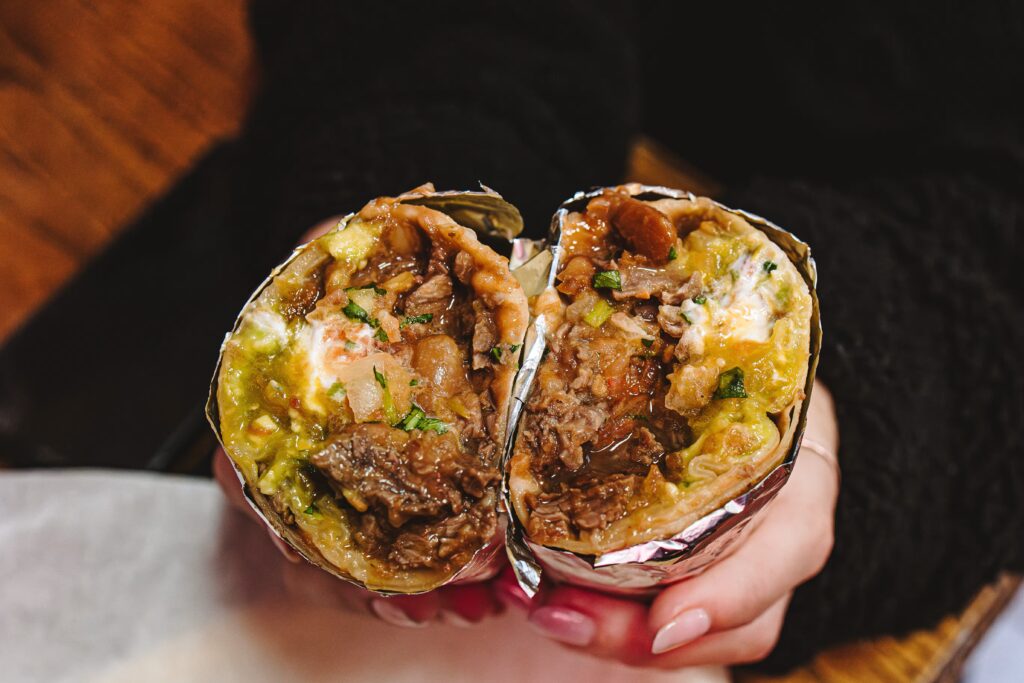
The true genius of the Mission Burrito lies in its assembly process, which begins with a massive flour tortilla that is steamed until pillowy and pliable. This steaming process is essential, as it allows the tortilla to stretch and contain a staggering volume of ingredients without tearing. The core of the burrito is a structural marvel: it is stuffed with seasoned Spanish rice, whole pinto or black beans, and a choice of meat—most notably the succulent, marinated Al Pastor. To achieve the coveted Super Burrito status, it must also include a generous helping of sour cream, melted cheese, and fresh guacamole.Beyond its physical size, the Mission Burrito serves as a profound testament to the city’s rich Latino heritage and the evolution of Chicano culture in the Bay Area. It is a dish that reflects the fusion of traditional Mexican flavors with American-sized portions, creating a unique culinary identity that remains distinct from the cuisine of Mexico itself. For decades, it has stood as the most satisfying bang-for-your-buck meal in Northern California, offering a dense, calorie-rich experience that can sustain a person for an entire day.
Today, the Mission Burrito is more than just a local specialty; it is the blueprint for global fast-casual chains like Chipotle, which successfully exported this specific San Francisco style across the globe. However, for purists, nothing compares to standing on a street corner in the Mission, peeling back the foil bit by bit to ensure the integrity of the roll remains intact. It is a messy, glorious rite of passage that captures the gritty, flavorful soul of San Francisco.
The Crown Jewel of the Pacific: Fresh Santa Barbara Sea Urchin (Uni)
California’s 840-mile coastline provides access to some of the world’s most coveted seafood, but the Santa Barbara Sea Urchin, or Uni, is undoubtedly the crown jewel of the Pacific. Harvested from the cold, nutrient-rich kelp forests surrounding the Channel Islands, this delicacy has earned a global reputation for its unparalleled quality. It is frequently exported to top-tier sushi dens in Tokyo, where it is prized by master chefs for its vibrant golden hue and firm yet delicate structure. However, to truly understand the allure of this “foie gras of the ocean,” it is best enjoyed right at the source, where the connection between the sea and the plate is most direct.
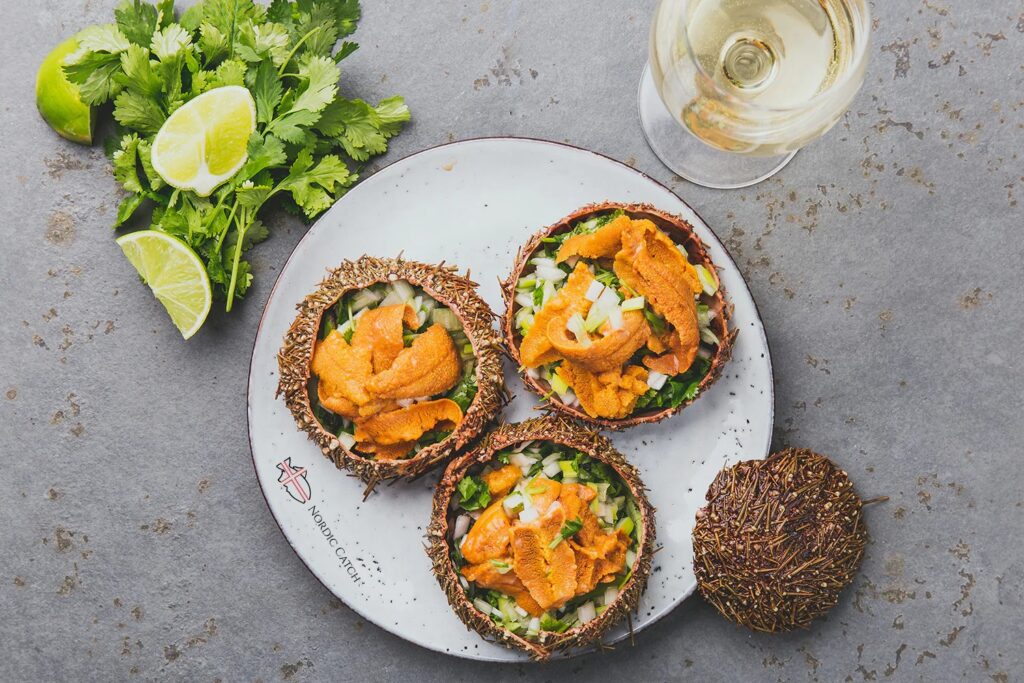
The history of Santa Barbara’s uni industry is a relatively modern success story, blooming in the 1970s when local divers recognized that the red sea urchins—once considered a nuisance to the kelp beds—were actually a world-class treasure. Today, the Santa Barbara harbor remains the heart of this trade. Local fish markets and specialized stalls offer the visceral experience of watching a diver or fishmonger crack open a spiny shell right in front of you. This immediate preparation ensures that the delicate gonads, or uni, retain their structural integrity and natural oils, which begin to degrade the moment they are processed and shipped.The sensory experience of eating Santa Barbara uni is unlike any other seafood. The texture is incredibly creamy and custard-like, dissolving on the tongue with almost no resistance. It offers a complex, sweet, and briny flavor profile that tastes like a concentrated fresh ocean breeze, devoid of the bitterness often found in lower-grade or older specimens. This sweetness is a direct result of the urchins’ diet of giant bladder kelp, which imbues the meat with a rich, oceanic depth.
Beyond its culinary appeal, the Santa Barbara sea urchin represents the intersection of luxury and California’s rugged natural marine bounty. It is a product defined by the seasons and the skill of the commercial divers who brave the Pacific depths to hand-harvest each specimen. Whether served simply with a spoon on a sun-drenched pier or delicately perched atop a bed of seasoned rice, it is a testament to the pristine environment of the California coast and remains the ultimate indulgence for any seafood connoisseur.
The Quintessential California Duo: Authentic Avocado Toast on Sourdough
While it has evolved into a global brunch staple and a shorthand for millennial culture, Avocado Toast reaches its undisputed peak in California. This is no mere coincidence of trend; it is a matter of geography. With 90% of the nation’s avocados grown in the sun-drenched groves of the Golden State, the fruit is a local birthright rather than an imported luxury. The true secret to the authentic California version lies in the marriage of two distinct regional icons: the buttery Hass avocado and the legendary San Francisco Sourdough.The relationship between these two ingredients is one of perfect culinary equilibrium. San Francisco Sourdough is world-renowned for its sharp, distinct tang—a flavor profile created by unique local wild yeast strains like Lactobacillus sanfranciscensis that thrive in the city’s foggy maritime climate. This natural acidity provides the necessary backbone to cut through the dense, fatty richness of a perfectly ripe avocado mash. When the bread is toasted to a deep, golden crunch, it creates a structural stage that can support a generous heap of green gold without becoming soggy.
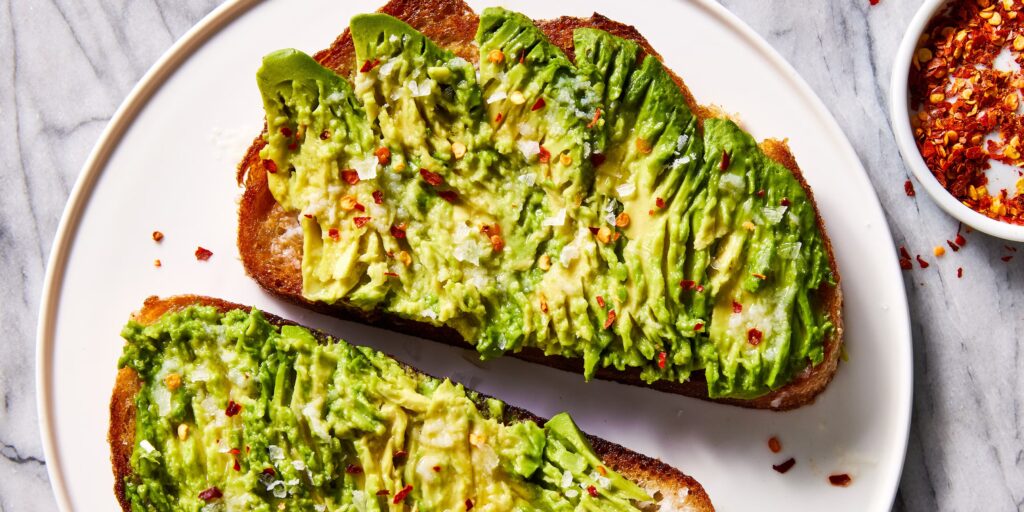
In its most authentic form, this dish is a canvas for the state’s agricultural diversity. It is rarely served plain; instead, it is elevated with a curated selection of “Farm-to-Table” enhancements. You will often find it dusted with “Everything Bagel” seasoning for a savory crunch, adorned with vibrant slices of heirloom tomatoes from a coastal farm, or finished with a precise drizzle of peppery, locally pressed olive oil. Some iterations include a pinch of sea salt harvested from the Pacific or a squeeze of Meyer lemon to brighten the fats.
Ultimately, Avocado Toast on Sourdough is more than just a meal; it is an edible manifesto of the California lifestyle. It exemplifies a culinary philosophy that prioritizes the integrity of the ingredient over the complexity of the technique. By taking two humble, high-quality staples and combining them with minimal interference, the dish captures the breezy, health-conscious, and sun-soaked essence of Northern and Southern California in a single bite.
The Sophisticated Terroir: Napa Valley Artisanal Cheese and Wine
In the rolling, vine-covered hills of Northern California, food is far more than mere sustenance; it is a profound expression of terroir. A journey through Napa or Sonoma Valley offers a masterclass in the intimate relationship between the land, the climate, and the craft of viticulture and creamery arts. While the region is globally synonymous with world-class Cabernet Sauvignon and Chardonnay, the experience is only truly complete when these liquid treasures are paired with the bounty of local artisanal creameries. This synergy between the bottle and the board has transformed the North Coast into a premier destination for epicurean travelers seeking the pinnacle of American agricultural refinement.The prestige of Napa’s wine industry is mirrored by a revolutionary artisan cheese movement that took root in the nearby coastal pastures. The region’s temperate, foggy climate provides the ideal environment for high-quality dairy farming, leading to the creation of modern classics. Icons like the Humboldt Fog—a goat cheese with a distinctive ribbon of vegetable ash—or the Mt. Tam triple-cream, known for its buttery, mushroomy richness, have become as coveted as the vintages they accompany. These cheeses are crafted with a level of precision that matches the winemaking process, from the careful aging in temperature-controlled caves to the sourcing of milk from specific local herds.
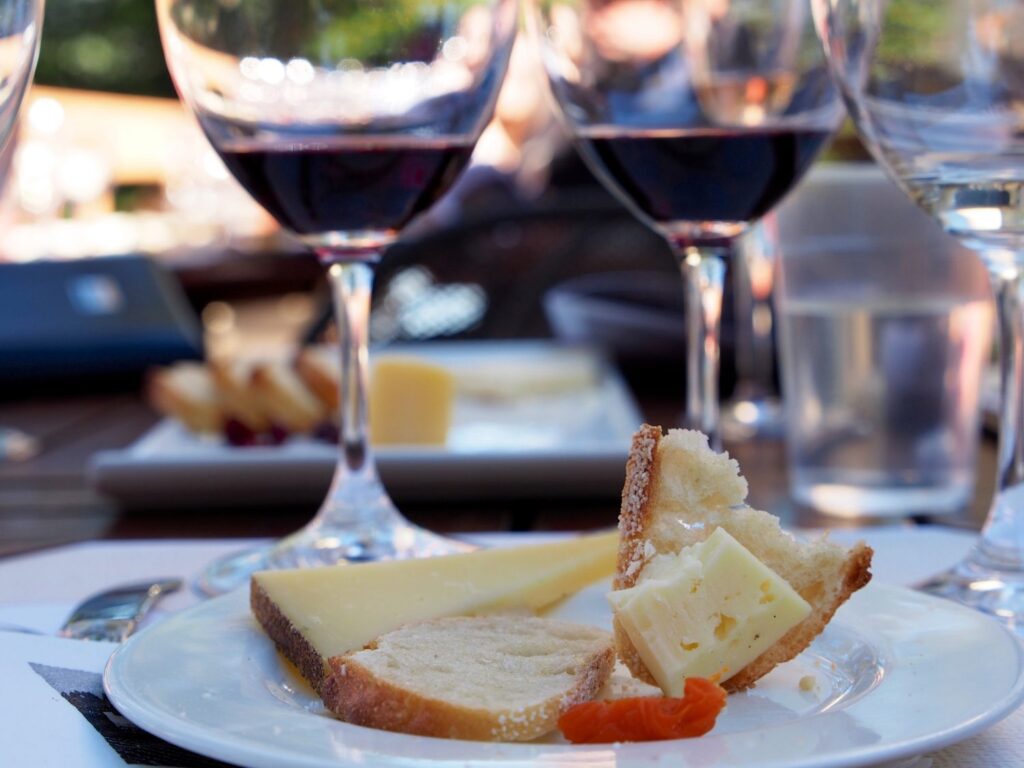
An afternoon spent on a sun-drenched vineyard terrace captures the essence of this “agrarian luxury.” Sampling a flight of bold, tannin-rich reds alongside a meticulously curated cheese board is a sensory exploration of the landscape. The sharp tang of a pungent local goat cheese provides a brilliant contrast to the dark fruit notes of a Napa Cabernet, while a drizzle of locally sourced wildflower honey or a handful of Marcona almonds adds layers of complexity. It is a slow, deliberate way of eating that honors the seasons and the specific geography of the valleys.
Ultimately, the Napa Valley cheese and wine experience represents the sophisticated soul of California’s food culture. It reflects a shift away from mass production toward a deep respect for small-batch craftsmanship and sustainable land stewardship. Whether you are a seasoned sommelier or a casual enthusiast, the act of breaking bread and sharing a bottle amidst the vines is a rite of passage that celebrates the lush, fertile heart of the North Coast.
A Taste of the Golden Age: The Original Cobb Salad and Hollywood History
Born in the kitchens of the legendary, hat-shaped Brown Derby restaurant on Wilshire Boulevard, the Cobb Salad is California’s most enduring contribution to the world of hearty greens. Unlike the light, leafy starters of European tradition, the Cobb was conceived as a midnight feast—a culinary improv session that captured the spontaneous spirit of Tinseltown. Legend has it that in 1937, the restaurant’s owner, Robert Howard Cobb, was rummaging through the kitchen refrigerator for a late-night snack. He tossed together whatever leftovers he could find, finely chopping them so they could be easily eaten with a fork while he worked. The result was an instant sensation that quickly migrated from a kitchen experiment to the star of the printed menu.
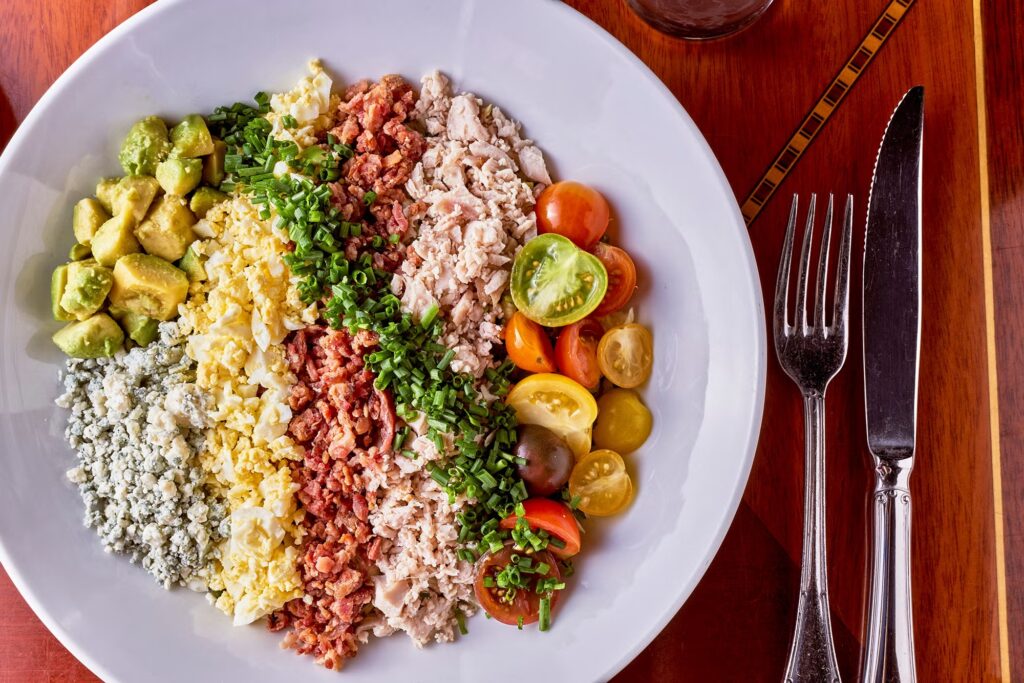
The hallmark of a true Cobb Salad is its visual precision, traditionally served with its ingredients arranged in neat, vibrant rows rather than tossed together. This “composed” style allows the diner to appreciate the distinct textures and flavors of the California bounty: succulent roasted chicken, buttery avocado, vine-ripened tomatoes, hard-boiled eggs, crispy smoked bacon, and pungent Roquefort blue cheese, all laid over a crisp bed of iceberg, romaine, and watercress. The dish is traditionally finished with a signature red wine vinaigrette, which provides a sharp, acidic contrast to the richness of the proteins and the creamy avocado.Beyond its ingredient list, the Cobb Salad carries the weight of Hollywood’s “Golden Age” glamour. During the 1930s and 40s, the Brown Derby was the epicenter of the film industry, a place where deals were struck and stars like Clark Gable and Lucille Ball were regulars. Eating a Cobb Salad became a shared ritual for the elite, a dish that was sophisticated enough for a starlet yet filling enough for a studio mogul. It represented a new kind of American dining—one that was casual, fresh, and unapologetically bold, mirroring the rise of Los Angeles as a global cultural capital.
Today, while the original Brown Derby locations have long since closed their doors, the Cobb Salad remains a permanent fixture in classic Los Angeles bistros and palm-lined poolside grills. It serves as a delicious, edible bridge to a bygone era of Hollywood history. For locals and visitors alike, ordering a Cobb is more than just a healthy lunch choice; it is an act of nostalgia, a way to sit in a leather booth and taste the ingenuity and star-studded heritage of the city of dreams.
The Winter Bounty of the West Coast: Dungeness Crab at Fisherman’s Wharf
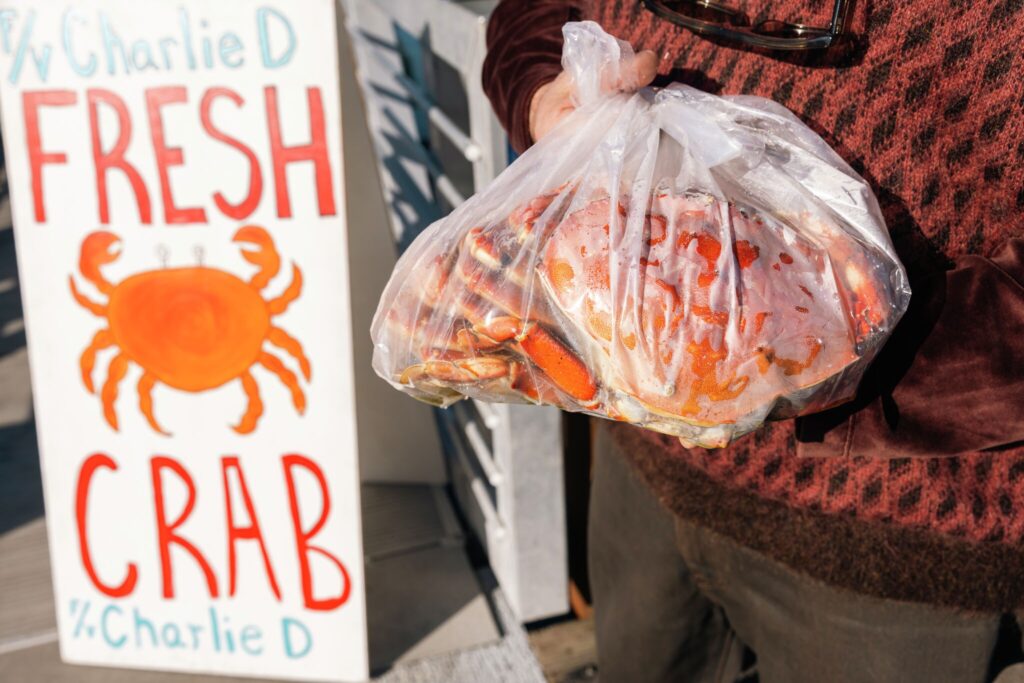
When the winter chill settles over the Pacific and the commercial crabbing season officially opens, a palpable excitement ripples through Northern California as locals head to the fog-swept docks for Dungeness crab. This isn’t just a seasonal ingredient; it is a regional obsession that defines the culinary calendar of the Bay Area. Unlike the smaller, more aggressive blue crabs found on the East Coast, the Dungeness is prized for its substantial size and the remarkably sweet, delicate, and flaky texture of its leg meat. Harvested from the cold, rocky depths of the North Pacific, these crabs have become the undisputed kings of the California coastline, symbolizing a connection to the rugged maritime heritage of San Francisco.The tradition of enjoying Dungeness crab is best experienced at Fisherman’s Wharf, the historic heart of the city’s fishing industry. Here, the air is thick with the scent of salt spray and the steam rising from massive outdoor cauldrons. The classic San Francisco ritual is beautifully simple: you buy a whole, freshly steamed crab from a sidewalk stand, find a spot overlooking the bobbing fishing boats, and crack it open yourself. Dipping the succulent white meat into a small cup of drawn, melted butter is a sensory experience that is messy, communal, and undeniably Californian. It is a meal that demands you roll up your sleeves and engage with your food, turning a simple lunch into a shared celebration of the ocean’s bounty.
For those who prefer a more refined, seated meal, the Dungeness crab takes center stage in a dish with deep immigrant roots: Cioppino. This hearty, tomato-based Italian-American fish stew was born in San Francisco’s North Beach and Wharf districts in the late 1800s. Originally “chopped” together by Italian fishermen using the day’s leftover catch, the modern version is a sophisticated medley of shrimp, scallops, clams, and firm white fish, with large clusters of cracked Dungeness crab legs acting as the star attraction. The crab infuses the broth with a briny sweetness that perfectly balances the acidity of the tomatoes and the heat of the red pepper flakes.Ultimately, the Dungeness crab season represents the enduring soul of San Francisco’s waterfront. It is a bridge between the city’s past as a rough-and-tumble port and its present as a global culinary destination. Whether you are cracking shells on a wooden pier with a sourdough roll in hand or savoring a steaming bowl of Cioppino in a white-tablecloth bistro, the taste of Dungeness crab is the taste of a San Francisco winter—rich, authentic, and deeply rooted in the cold currents of the Pacific.
The Street Food Revolution: Korean-Mexican Fusion and the Kogi Taco
California is the undisputed birthplace of the modern food truck movement, a culinary phenomenon that redefined the American dining landscape at the intersection of social media and immigrant grit. This revolution began on the streets of Los Angeles in late 2008 with the launch of the Kogi BBQ truck, an experimental venture that married the smoky, fermented depths of Korean barbecue with the portable, soul-satisfying structure of the Mexican taco. At its heart was a singular, defiant creation: the Kogi Taco. By tucking tender, citrus-marinated Korean galbi (short rib) inside a double layer of warm corn tortillas and topping it with a bright, sesame-chili salsa and a crisp Romaine slaw, the creators birthed a dish that was both entirely new and instantly familiar to anyone raised in the sprawl of Southern California.The meteoric rise of the Kogi Taco was more than just a success story for chef Roy Choi and his partners; it was a cultural manifesto. This dish perfectly represents the “melting pot” nature of California, particularly in Los Angeles, where the boundaries between Koreatown and the historic Latino neighborhoods of East L.A. are often just a single street. It reflects a reality where immigrant communities live, work, and eat side-by-side, naturally allowing their culinary languages to bleed into one another. The resulting fusion is a bold, spicy, and deeply umami-driven map of the state’s diverse demographics, proving that the most exciting flavors often emerge from the gaps between traditional categories.
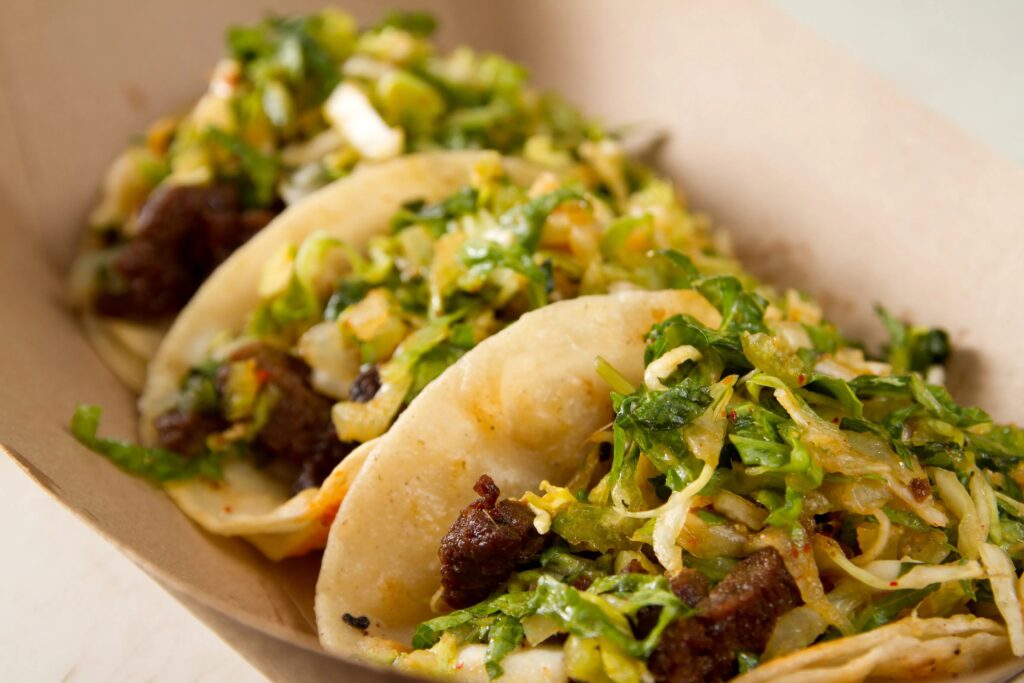
Before the Kogi truck, “fusion” was often a high-end, white-tablecloth concept. The Korean-Mexican movement stripped away the pretense, bringing gourmet-level complexity to a paper plate on a sidewalk. The trend utilized the burgeoning power of Twitter to broadcast its location, turning a simple meal into a high-stakes scavenger hunt across the city. This digital-savvy approach, combined with the low overhead of a kitchen on wheels, allowed a new generation of chefs to bypass the traditional restaurant gatekeepers and speak directly to a hungry, diverse public that craved authenticity over formality.Today, Korean-Mexican fusion is a global staple, found in trendy eateries from London to Seoul, yet its soul remains tethered to the curbsides of California. It serves as a delicious reminder that California’s greatest strength is its ability to absorb global influences and spit them back out as something uniquely vibrant and local. To stand in a long line at a food truck in the flickering light of a gas station or a brewery parking lot is to participate in a modern California ritual—one that celebrates the messy, beautiful, and endlessly creative collision of cultures that defines the Golden State.
A Desert Oasis in a Glass: Date Shakes from the Coachella Valley
In the shimmering heat of Palm Springs and the sprawling desert of the Coachella Valley, the Date Shake has reigned for decades as the ultimate refreshing treat. While California is often defined by its surf and redwoods, this inland empire offers a dramatically different landscape—one that feels more like North Africa than the Pacific Coast. This unique microclimate, characterized by intense heat and accessible groundwater, allows the region to produce nearly all of the dates grown in the United States. The Date Shake is the liquid gold of this desert, a nostalgic roadside staple that serves as a delicious reminder of California’s vast and varied agricultural ingenuity.The history of the date in California is a fascinating tale of botanical espionage and desert survival. In the early 20th century, “agricultural explorers” brought offshoots of the Medjool and Deglet Noor varieties from the Middle East to the Coachella Valley, realizing the environment was perfectly suited for these ancient palms. As the region transformed into an exotic tourist destination in the mid-century, roadside stands like Shields Date Garden and Hadley Fruit Orchards began blending the fruit with ice cream to entice weary travelers driving through the scorching desert. What started as a clever marketing tool to sell surplus fruit quickly evolved into a cult classic of American diner culture.
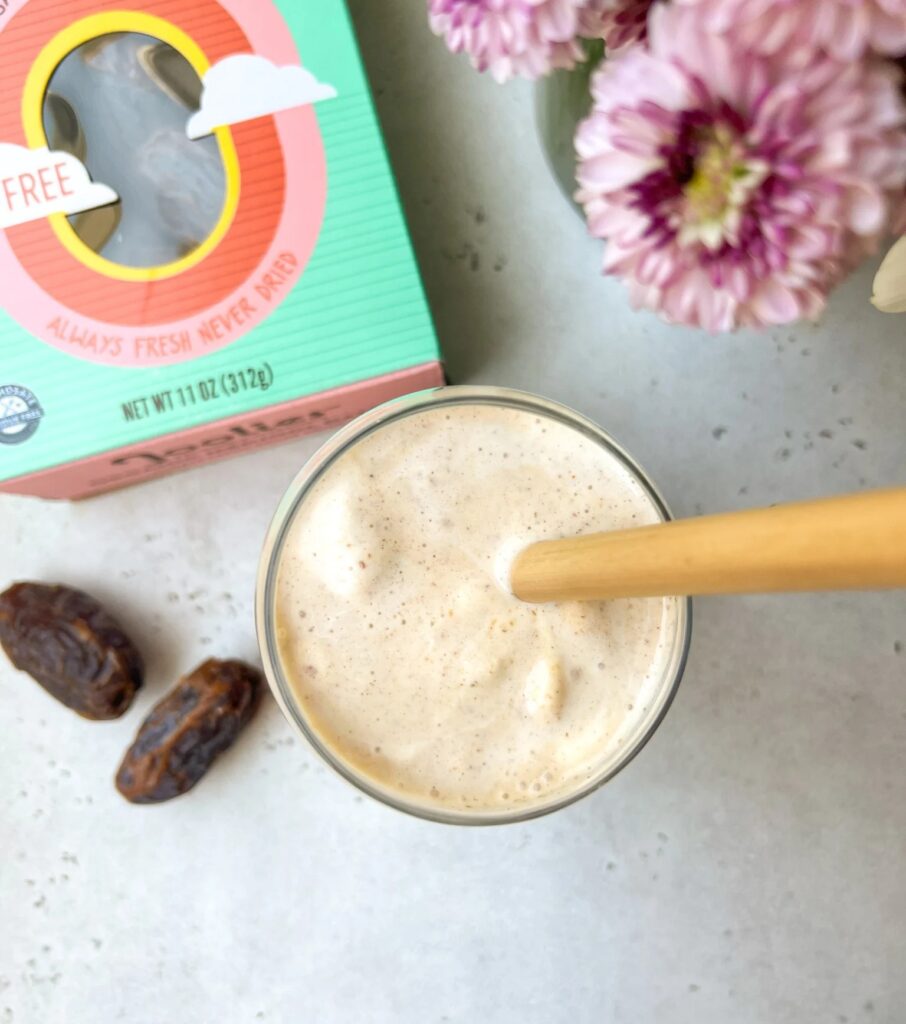
A true Coachella Valley Date Shake is an exercise in rich, natural sweetness. Unlike shakes flavored with artificial syrups, this version relies on a thick, creamy blend of premium vanilla ice cream and a dense paste made from locally grown Medjool dates. Because Medjools are naturally high in sugar and possess a soft, jam-like texture, they dissolve into the dairy to create a flavor profile reminiscent of deep caramel, toasted butterscotch, and honey. Each sip often contains tiny, chewy bits of the fruit, providing a textural contrast that distinguishes it from a standard milkshake.Beyond the sugar rush, the Date Shake represents the “frontier” spirit of California’s interior. It is a product of the desert’s resilience, turning a harsh, arid environment into a lush, productive garden. For generations of travelers making the pilgrimage to Coachella, Stagecoach, or the mid-century modern retreats of Palm Springs, stopping for a shake is a mandatory rite of passage. It is a taste of a specific place and time—a cooling, sun-drenched indulgence that captures the sophisticated yet rugged charm of the California desert.
The Cowboy Legacy: Santa Maria-Style Tri-Tip BBQ
While Texas and the American South famously engage in heated debates over brisket, ribs, and vinegar versus mustard-based sauces, California quietly maintains its own deep-rooted and fiercely protected barbecue tradition: Santa Maria-Style Tri-Tip. Originating in the Santa Maria Valley on the Central Coast during the mid-19th century, this style of cooking is a living relic of the state’s “vaquero” (cowboy) heritage. It was born out of the massive ranch feasts held by Spanish rancheros and their skilled cattlemen, who would host elaborate pit barbecues for their neighbors after a long day of branding cattle. This is not the “low and slow” smoking of the South; it is a high-heat, open-pit celebration of beef and wood fire.
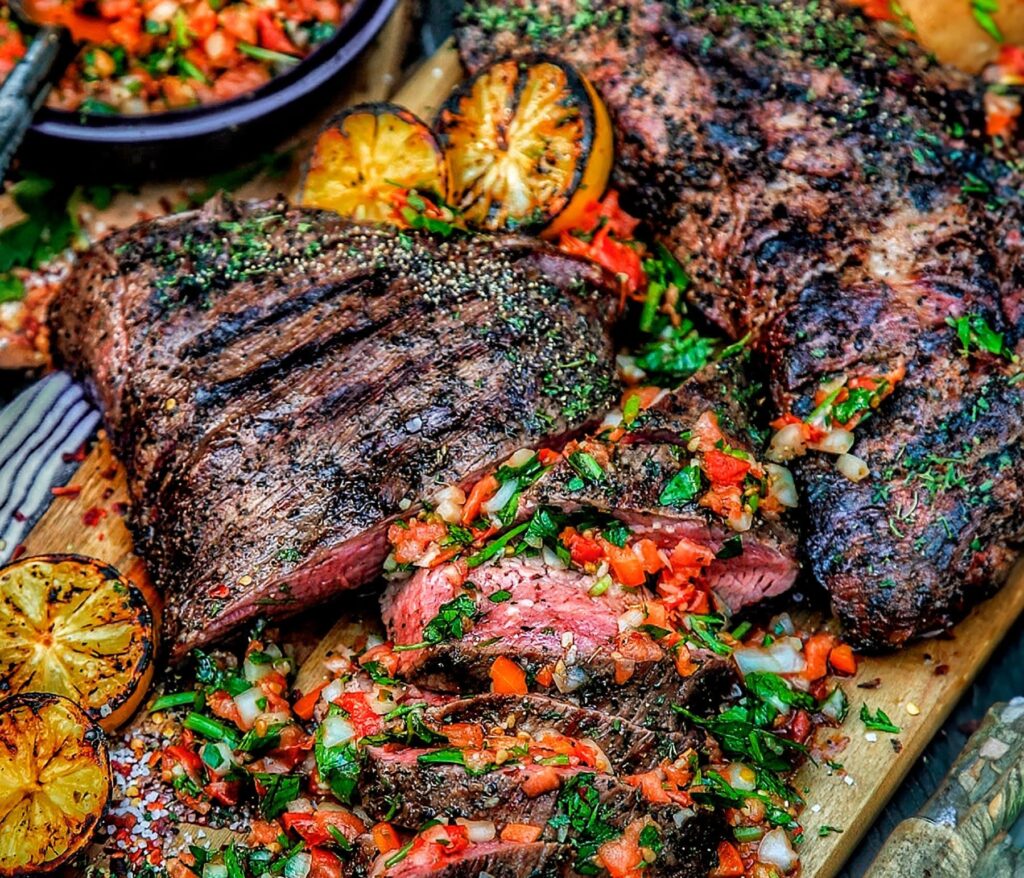
The heart of the tradition lies in a very specific cut of meat: the tri-tip. This triangular muscle from the bottom sirloin was once considered a scrap piece or ground into hamburger meat until local butchers in the 1950s realized that, when prepared correctly, it possessed a rich, beefy flavor and a satisfying chew. Unlike the heavy rubs or thick, sweet sauces found in other regions, Santa Maria-Style seasoning is elegantly simple, typically consisting only of salt, pepper, and garlic salt. This minimalist approach ensures that the high-quality beef remains the star of the show, enhanced only by the aromatic smoke of the local red oak wood.
The cooking method is as important as the meat itself. Authentic Santa Maria BBQ must be grilled over California Red Oak, which provides a distinctively mellow, smoky flavor that isn’t as overpowering as hickory or mesquite. The meat is placed on a “Santa Maria Grill”—a heavy iron grate attached to a hand-cranked pulley system that allows the griller to raise or lower the meat over the coals to precisely control the temperature. This results in a beautifully charred, caramelized exterior while maintaining a juicy, medium-rare center that slices into tender, pink ribbons.To be considered a true Santa Maria meal, the tri-tip must be accompanied by its traditional “supporting cast,” which has remained unchanged for over a century. This includes a side of slow-cooked pinquito beans—tiny, pink, heirloom beans grown exclusively in the Santa Maria Valley—along with a fresh, chunky salsa cruda, a simple green salad, and thick slices of French bread dipped in melted butter and toasted over the grill. This specific combination of smoky meat, earthy beans, and acidic salsa creates a balanced, savory profile that is uniquely Californian. It is a rugged yet sophisticated meal that honors the state’s agricultural roots and remains a mandatory experience for any meat lover traversing the Central Coast.