New York doesn’t whisper its identity; it bellows it with a bagel in one hand and a slice in the other. From the neon-lit delis of the Lower East Side to the windswept shores of Buffalo and the fertile orchards of the Hudson Valley, the Empire State’s culinary DNA is a blend of migration, industry, and restless reinvention. Every bite tells a story: of immigrants carving out communities, neighborhoods evolving one storefront at a time, and old-world traditions accelerating to New York speed. You don’t just visit the state’s landmarks—you eat them. These iconic flavors are the grit, the diversity, and the soul of New York, served on a paper plate.
1.The Quintessential Slice: New York–Style Pizza
No food symbolizes the pulse of New York more completely than a wide, foldable slice of pizza—an edible icon that serves as the city’s ultimate equalizer. This culinary legend trace its roots back to 1905, when immigrant Gennaro Lombardi opened the first licensed pizzeria in America on Manhattan’s Spring Street. While its DNA is Neapolitan, the New York slice evolved out of urban necessity; it took a soft, sit-down Italian delicacy and hardened it for a city on the move. To adapt to the frantic pace of the New World, bakers swapped delicate buffalo mozzarella for low-moisture cheese and used high-gluten bread flour to create a sturdier foundation that could be sold by the window and eaten on the sidewalk.
The defining traits of the slice are purely structural, born from the intense, dry heat of industrial gas-fired deck ovens rather than traditional wood-burning pits. This process yields a massive, 18-inch pie with a crust that is “charred-bottom crisp” yet remains pliable at the center. This flexibility is essential for the “New York Fold”—a mandatory aerodynamic maneuver where the slice is creased lengthwise to create a rigid spine, preventing the tip from sagging and keeping the hot orange oil from ruining one’s shirt. It is an engineering marvel designed for a commuter dodging yellow cabs or catching a closing subway door.
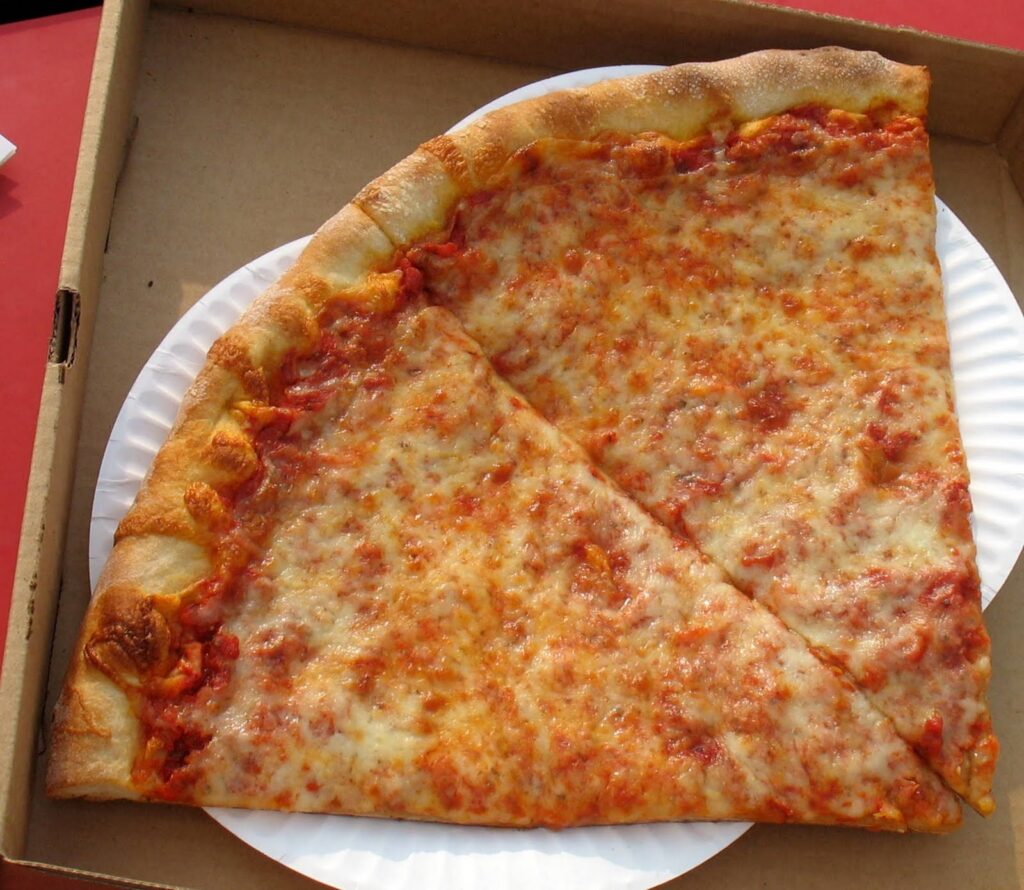
Ordering a “regular slice” is more than a meal; it is a democratic ritual shared by Wall Street titans and late-night subway drifters alike. For decades, the price of a slice famously tracked the cost of a subway fare—a phenomenon known as the “Pizza Principle”—cementing its status as the city’s true economic barometer. It requires no silver service or pretense, only a paper plate and a dusting of dried oregano. To eat a New York slice is to participate in a century-old tradition of reinvention, a dish that is fast, tough, and full of unpretentious soul—just like the city itself.
2.The Deli Monument: Pastrami on Rye
To step into a classic Jewish deli and order a pastrami on rye is to consume over a century of immigrant resilience, one hand-carved slice at a time. This is the undisputed “Deli Monument” of the Lower East Side, where institutions like Katz’s Delicatessen have been curing beef and defying dietary moderation since 1888. Born from the necessity of preservation, the pastrami sandwich is the flavorful descendant of Romanian Jewish tradition, brought to New York’s crowded tenements by newcomers who transformed cheap cuts of meat into a masterpiece of urban survival.The soul of the sandwich lies in its laborious, multi-day transformation. The brisket is first brined in a salty cure, heavily crusted with a signature rub of cracked coriander and black pepper, then slow-smoked to infuse it with a deep, woody soul. The final, crucial step—long-duration steaming—renders the tough connective tissue into something meltingly tender. Sliced thick by hand against the grain, the glistening meat is piled impossibly high between two slices of seeded rye bread, which provides the structural integrity and caraway-scented “snap” needed to balance the rich fat.
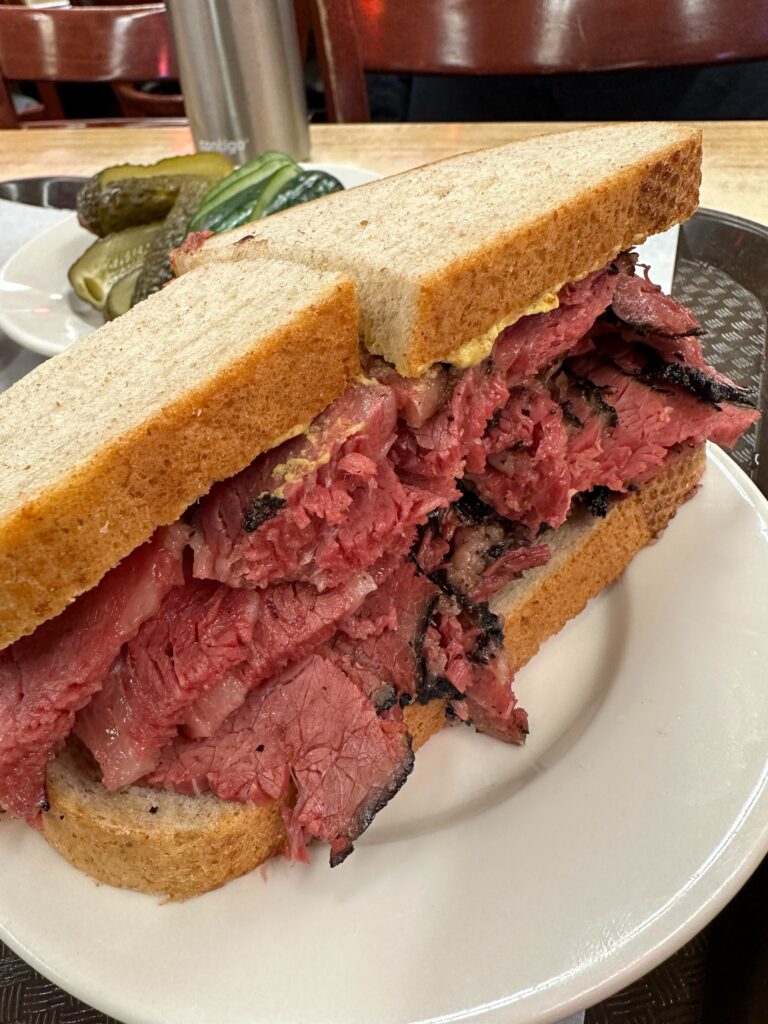
In the rigid hierarchy of deli culture, the rules are sacred: the meat is finished only with a swipe of spicy brown mustard—never mayonnaise, which is considered a cardinal sin in this temple of tradition. Accompanied by a crisp, garlicky half-sour pickle and a glass of Dr. Brown’s Cel-Ray soda, the meal is both a heavy dose of sustenance and a liquid-gold dose of nostalgia. It remains a edible map of the Eastern European Jewish heritage, a testament to a neighborhood that has changed block by block, yet kept its most delicious secret exactly the same for over 130 years.
3.The Morning Ritual: Bagel with Lox and Schmear
The New York bagel is not merely breakfast; it is a masterclass in texture and a stubborn defiance of the airy, soul-less rolls found in supermarkets. A true New York bagel is forged in a two-step ritual: first boiled in malt-infused water to create its signature glossy, crackling skin, then stone-baked to develop a dense, tug-of-war chew that requires real dental ambition. This is a bread born of the 19th-century Bialystok and Warsaw immigrants, who brought the “obwarzanek” to the Lower East Side, transforming a humble street snack into a global gold standard of baking.The “Holy Trinity” of the morning commute is the combination of a hand-rolled bagel, a generous schmear of plain cream cheese, and translucent ribbons of lox (traditionally belly-cured, salty salmon). When layered with the sharp bite of red onion, the briny pop of nonpareil capers, and a thick slice of beefsteak tomato, the sandwich achieves a transcendent equilibrium of salt, fat, acid, and grain. Historically, this combination flourished in the mid-20th century as a kosher-friendly alternative to the classic Eggs Benedict, replacing ham with salmon and hollandaise with cream cheese—a brilliant adaptation that allowed Jewish New Yorkers to feast within their traditions while embracing the American brunch culture.
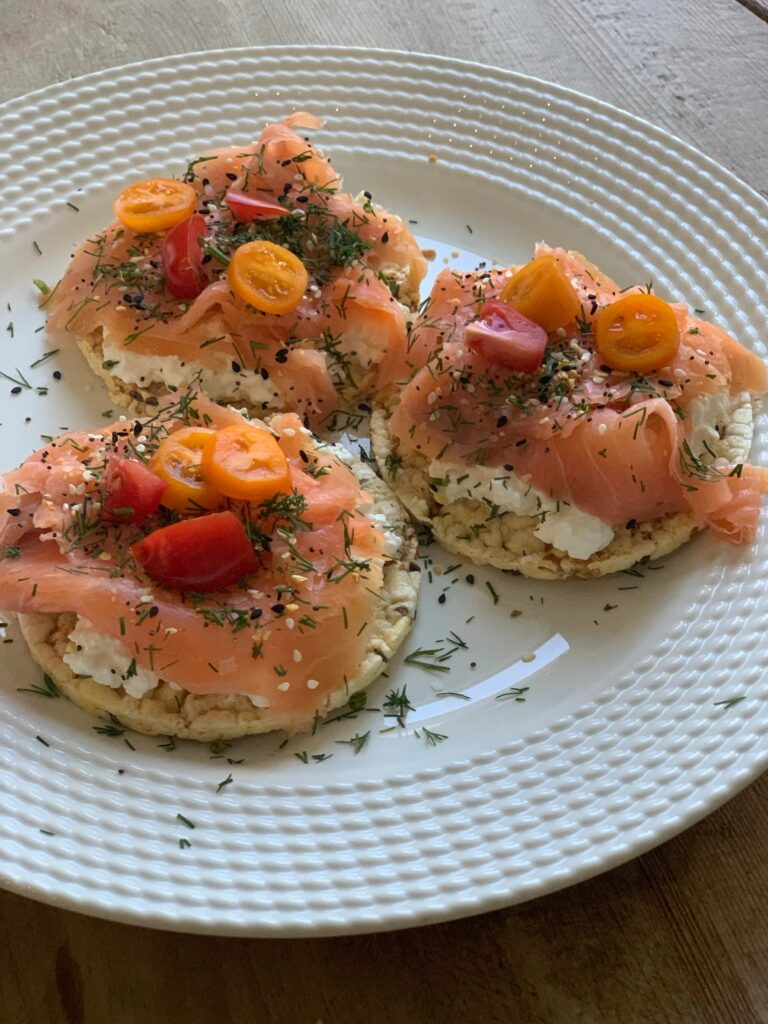
To bite into a “loaded” bagel is to taste the history of New York’s appetizing shops—temples of cured fish like Russ & Daughters that have stood as guardians of this craft for over a century. It is a meal that is simultaneously portable and luxurious, satisfying the frantic hunger of a midtown commuter while carrying the weight of a deep-rooted cultural heritage. In a city that never stops moving, the bagel remains the anchor of the morning, a chewy, salty reminder of where New York has been and how it still starts its day.
4.The Five-Borough Anthem: Hot Dog with Mustard and Sauerkraut
If New York has a rhythmic soundtrack of honking cabs and subway screeching, its visual counterpart is the steam rising from a silver pushcart on a humid street corner. The New York hot dog is the “Five-Borough Anthem”—a snappy, all-beef frankfurter that serves as the city’s most democratic and ubiquitous fuel. Its legacy was cemented in 1916 on the boardwalk of Coney Island, where Polish immigrant Nathan Handwerker opened a small stand selling five-cent dogs using his wife Ida’s secret spice recipe. By undercutting the competition and leaning into the seaside holiday spirit, Nathan’s Famous transformed a simple German sausage into an American cultural juggernaut.The true New York dog is defined by its “snap”—the tactile pop of a natural casing that gives way to a juicy, garlic-and-paprika-spiced interior. Unlike the garden-topped salads found on Chicago dogs, the New York version is a study in minimalist intensity. It is nestled in a soft, steamed bun and dressed in the “holy trinity” of city toppings: a sharp streak of spicy brown mustard, a tangled nest of acidic sauerkraut, or the iconic red onion sauce—a sweet-and-tangy tomato-based relish that is the hallmark of the “dirty water dog” vendor.
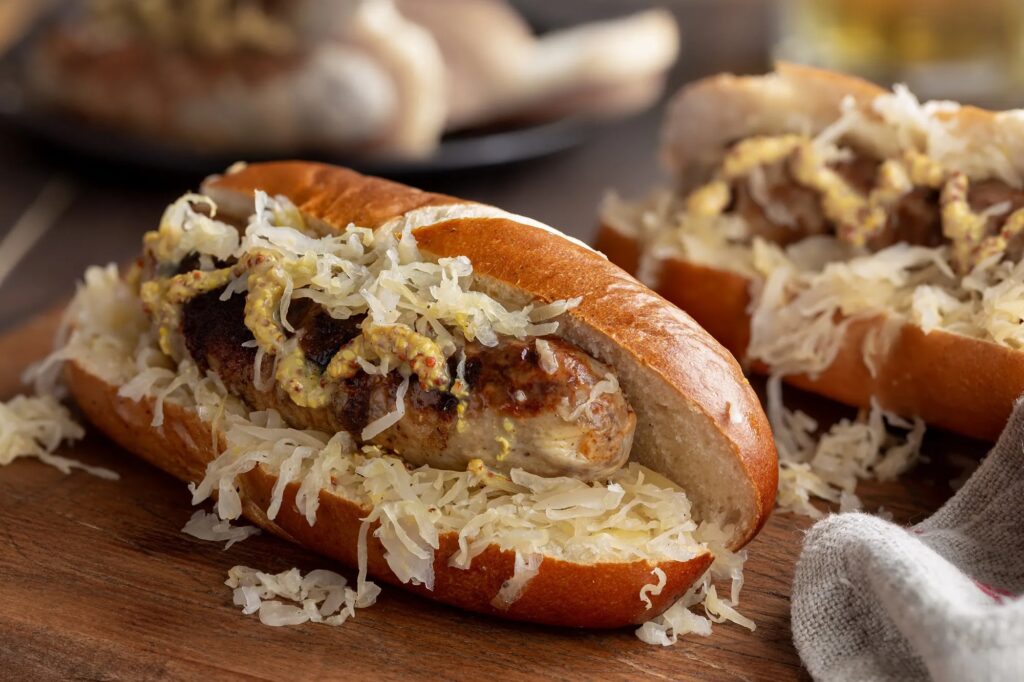
This humble street food reached legendary status through the spectacle of the Nathan’s Famous International Hot Dog Eating Contest, a July 4th tradition that has turned competitive gluttony into a televised sport. Yet, beyond the cameras and the bright lights of Coney Island, the hot dog remains a quiet staple of the daily grind. It is the original “fast food,” designed to be dressed, sold, and devoured in the span of a single red light. To eat a hot dog standing on a cracked Manhattan sidewalk is to participate in the ultimate New York ritual: a quick, salty, and unapologetic burst of energy that keeps the city moving.
5.The Steakhouse Statement: Dry-Aged Strip
If the street-side slice is the city’s pulse, the dry-aged strip is its power center. New York’s legendary steakhouses—venerable institutions like Peter Luger, Keens, and Old Homestead—are more than just restaurants; they are wood-paneled temples of Manhattan’s old-school glamour and financial might. The “New York Strip” itself, a premier cut from the short loin, earned its name because of its association with the city’s high-end dining scene, prized for a muscular texture and robust beef flavor that demands respect.
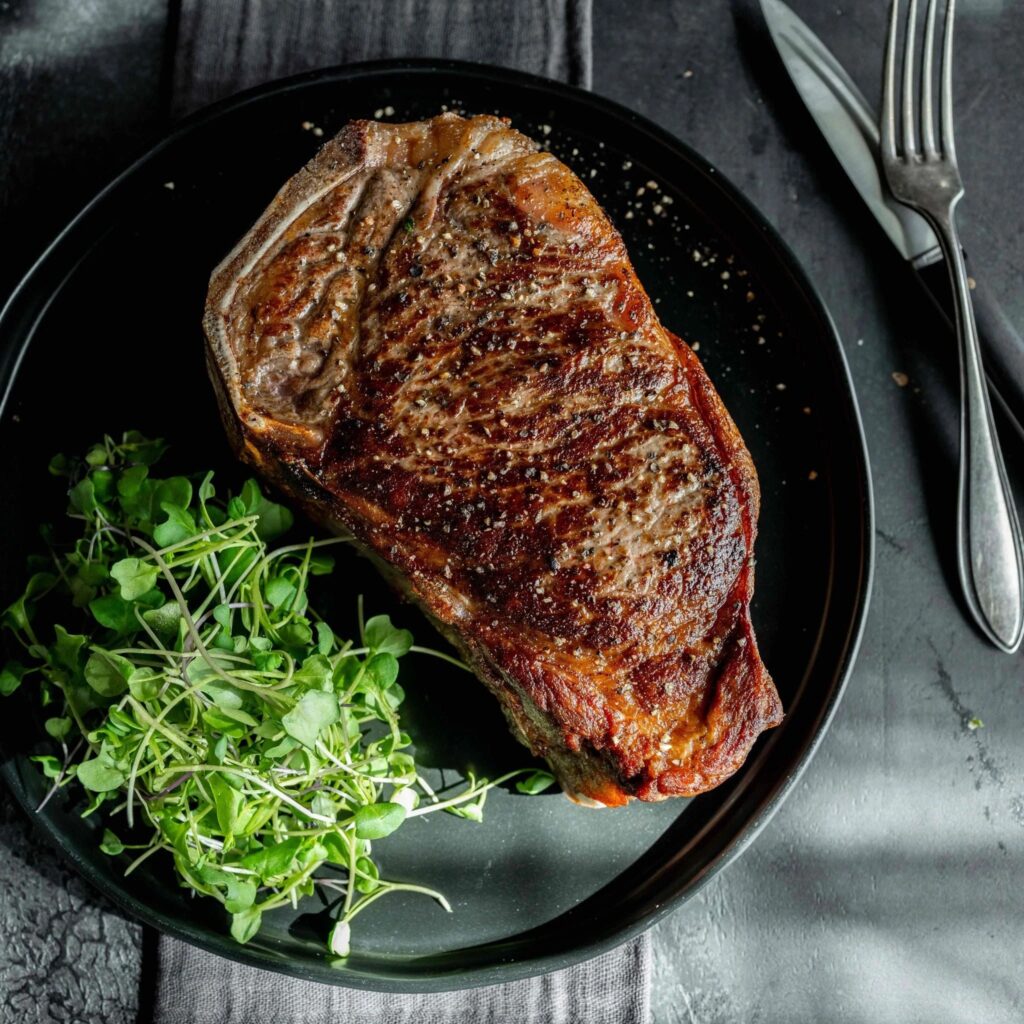
The alchemy of the steakhouse lies in the dry-aging room, a temperature-controlled sanctuary where the beef rests for weeks. During this time, natural enzymes break down the fibers while moisture evaporates, concentrating the flavor into a nutty, blue-cheese-like richness that cannot be replicated by any shortcut. When it finally hits the high-heat infrared broiler, the fat renders into a caramelized, salty crust that seals in a deep, mineral soul. This is a dish that refuses to be rushed, a stark contrast to the city’s otherwise frantic pace.
The presentation is a masterclass in unapologetic indulgence. Served sizzling on a scorched platter, the steak is traditionally flanked by a “holy trinity” of sides: velvet-smooth creamed spinach, crispy hash browns, and perhaps a thick-cut slice of slab bacon. Surrounded by brass fixtures, white tablecloths, and the ghosts of a thousand closed deals, the experience is a sensory “statement” of success. To cut into a dry-aged strip in a New York steakhouse is to claim a seat at the table of history, savoring a tradition of celebratory dining that remains as thick and enduring as the cut itself.
6.The Upstate Treasure: Buffalo Wings
While Manhattan was perfecting the steakhouse, a culinary revolution was simmering 400 miles northwest in the industrial heart of the state. The Buffalo wing is New York’s most explosive global export—a late-night snack experiment that transformed from a discarded scrap into a billion-dollar cultural phenomenon. The legend began on a Friday night in 1964 at the Anchor Bar, where co-owner Teressa Bellissimo faced a kitchen dilemma: a surplus of chicken wings (at the time, a “throwaway” cut used only for soup stock) and a group of hungry friends. With a flash of inspiration, she deep-fried the wings, tossed them in a concoction of cayenne pepper sauce and melted butter, and served them with the only cooling agents on hand—celery stalks and a side of blue cheese dressing.
The genius of the Buffalo wing lies in its visceral contrast of textures and temperatures. A true wing must be unbreaded and deep-fried until the skin reaches a blistered, golden-shatter crispness, then immediately drowned in a signature emulsion of Frank’s RedHot and butter. This “Buffalo sauce” provides an assertive, vinegary heat that is famously tempered by the funk of creamy blue cheese—never ranch, a distinction Buffalo natives defend with fierce regional pride. The addition of cold, fibrous celery provides the necessary “crunch” to reset the palate between spicy bites.
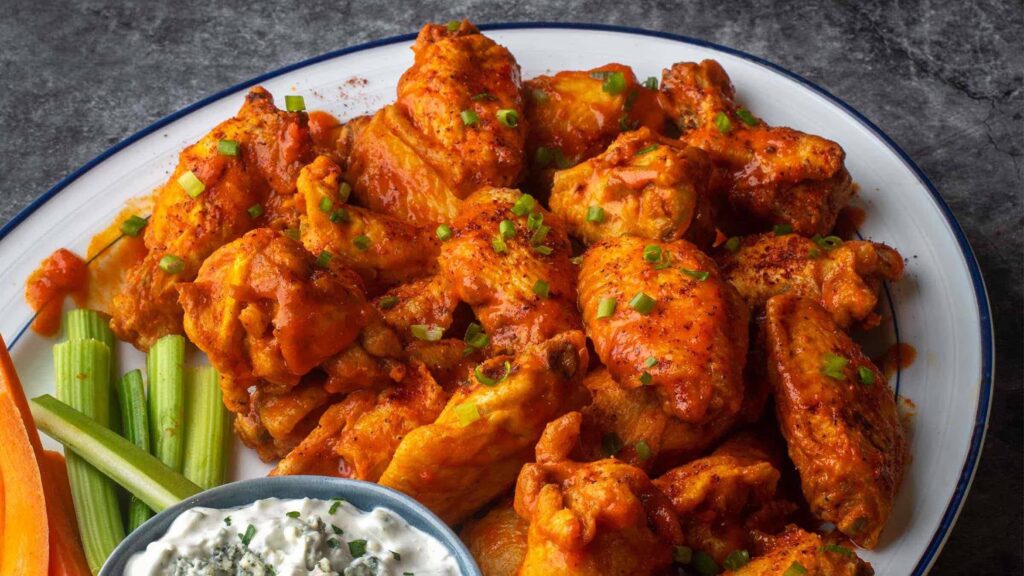
Today, the Buffalo wing has moved far beyond the wood-paneled bars of Western New York to become the undisputed monarch of American sports culture and Super Bowl Sundays. Yet, despite its global reach, the authentic experience remains rooted in the “Nickel City.” To eat wings in a crowded Buffalo tavern—fingers stained orange, surrounded by the steam of a hot fryer—is to taste the grit and ingenuity of Upstate New York. It is a dish that proves that with enough heat, a little butter, and a lot of spirit, even the humblest ingredients can conquer the world.
7.The Italian-American Classic: Baked Ziti
In the landscape of New York’s “red-sauce” joints, if the pizza is the city’s heart, then baked ziti is its soul. Rooted deeply in the kitchens of Italian immigrant communities across Brooklyn and the Bronx, this dish represents the peak of Italian-American comfort—a culinary hug served in a heavy ceramic dish. Unlike its more formal cousin, the layered lasagna, baked ziti is a beautiful, rustic “mess,” born from the tradition of pasta al forno (oven-baked pasta). It was the ultimate solution for feeding large, multi-generational families: a way to stretch simple ingredients into a bubbling, golden masterpiece of abundance.The alchemy of a perfect ziti lies in its architecture of textures. Smooth, tubular pasta is par-boiled so it retains a firm al dente bite even after its secondary transformation in the oven. It is then tossed in a vibrant, slow-simmered marinara and dolloped with “pillows” of creamy ricotta cheese, which melt into the sauce to create a velvety, rose-colored emulsion. Topped with a generous blanket of low-moisture mozzarella and often fortified with crumbled fennel sausage or bite-sized meatballs, the dish is baked until the edges of the pasta are slightly charred and the cheese forms a blistered, pull-apart crust.
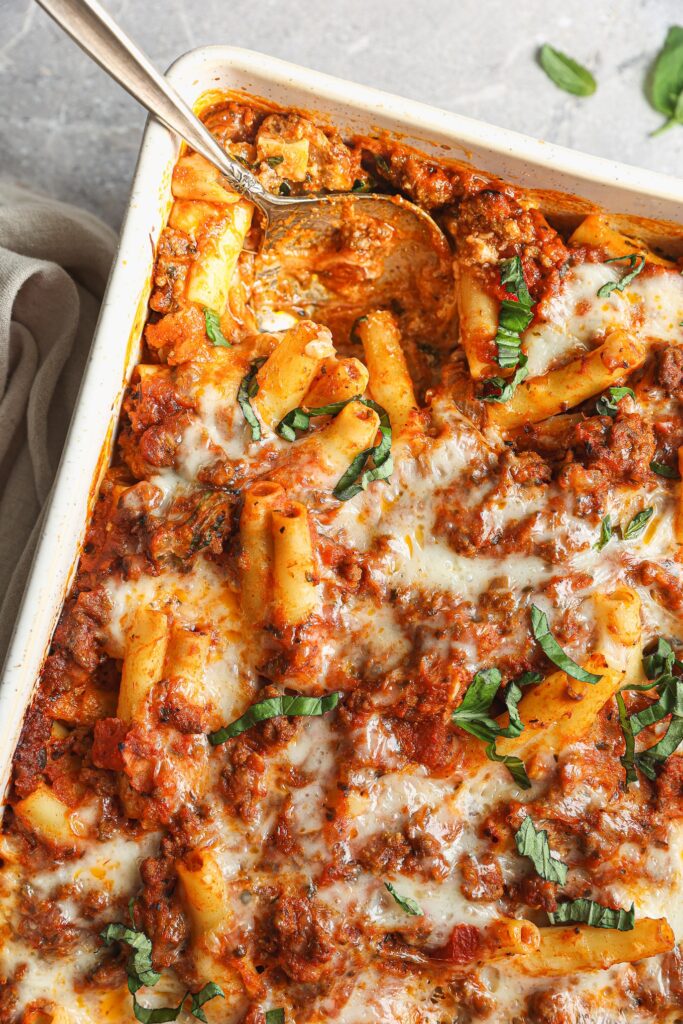
Baked ziti is the undisputed king of the “Sunday Sauce” tradition and a staple of neighborhood block parties and funeral parlors alike—a dish that scales perfectly from a solo takeout container to a massive catering tray. It embodies the warmth of a shared table, reflecting a culture where “enough” is never actually enough. To pull a forkful of stringy mozzarella and saucy pasta from a steam table in a corner trattoria is to taste the history of New York’s enclaves: a story of heritage preserved through heat, hearth, and the simple joy of a home-cooked meal.
8.The Global Borough: Dim Sum in Flushing
If Manhattan is the city’s skyscraper soul, then Queens is its culinary conscience—a sprawling, polyglot masterpiece that stands as one of the most diverse places on Earth. At the terminus of the 7 Train lies Flushing, a neon-lit microcosm where the air smells of roasted duck and ginger, and where the “New York experience” is defined by the clatter of tea sets rather than the honk of yellow cabs. Here, the Dim Sum palaces—vast, multi-level dining halls like Royal Queen or Asian Jewels—serve as the heartbeat of the community, offering a weekend ritual that rivals the high-octane tea houses of Hong Kong and Guangzhou.
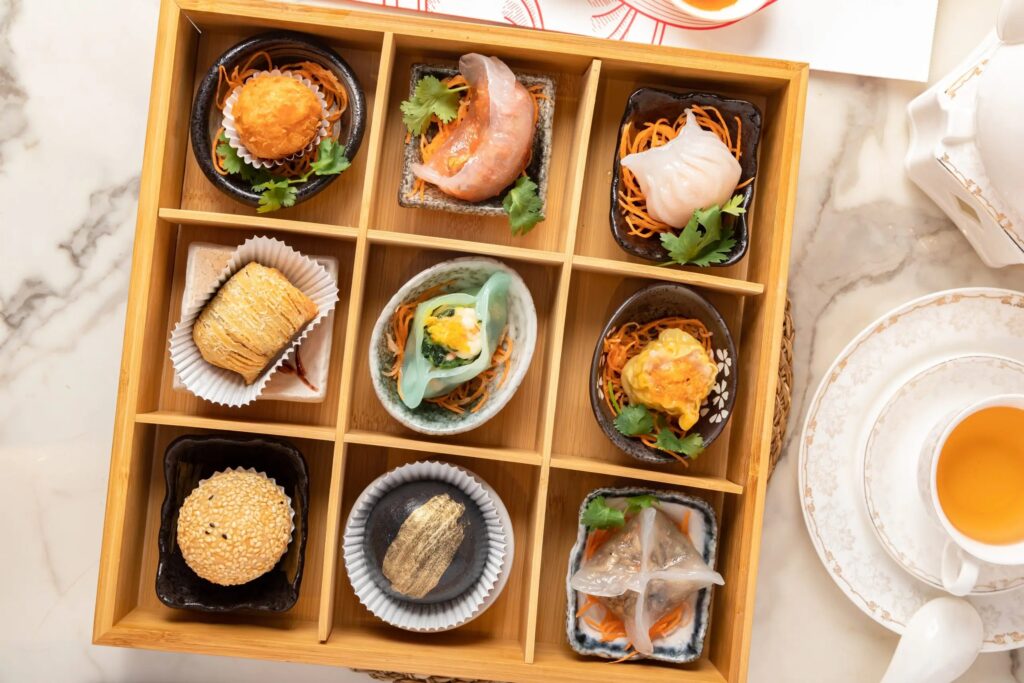
Dim sum in Flushing is a sensory marathon, a “touch of the heart” (the literal translation of diǎn xīn) served in steaming bamboo baskets. The ritual is communal and chaotic in the best possible way: translucent har gow (shrimp dumplings) with pleated skins that snap, charred char siu bao (barbecue pork buns) with a cloud-like sweetness, and slippery cheong fun (rice noodle rolls) doused in sweetened soy sauce. While modern spots use digital check-lists, the soul of the experience remains the pushcart, where aunties navigate the tight aisles with stacks of bamboo steamers, calling out their treasures to a hungry, expectant crowd.
This isn’t just brunch; it is a lively, cross-generational anthem of modern New York’s global identity. It serves as a potent reminder that the Empire State’s food culture has migrated far beyond the “red-sauce” and “deli” clichés of the past century. In these cavernous dining rooms, you’ll find three generations of families sharing tea alongside adventurous food tourists and local workers, all gathered around lazy Susans that never stop spinning. To eat dim sum in Flushing is to witness the newest chapter of the New York immigrant story—one that is being written in steam, spice, and the shared joy of a table that has room for everyone.
9.The Farmstead Pride: New York Cheesecake
While the rest of the world was experimenting with airy mousses and light sponge cakes, New York did what it does best: it went bold, heavy, and unapologetically rich. The New York Cheesecake is the skyscraper of desserts—a dense, velvety monolith that stands as a testament to the city’s indulgence. Its history is inseparable from the late 19th-century dairy boom in New York and the 1872 invention of modern cream cheese in Chester, New York. Though the brand name “Philadelphia” was eventually chosen for marketing, the soul of the product—and the dessert it inspired—is pure Empire State.
The defining characteristic of this icon is its structural integrity. Unlike the light, gelatin-set cheesecakes of Europe or the fluffy, soufflé-like versions from Japan, the New York style is dense and “short-baked.” It relies on a high ratio of cream cheese mixed with heavy cream, sugar, and a touch of vanilla to create a texture that is smooth yet substantial enough to hold its shape without a supporting crust on the sides. Baked slowly at a low temperature to achieve a porcelain-smooth top and a rich, golden-brown edge, it avoids the “cracks” that plague lesser cakes. The result is a dessert with a “tangy-sweet” finish that coats the palate in a way that feels like pure luxury.
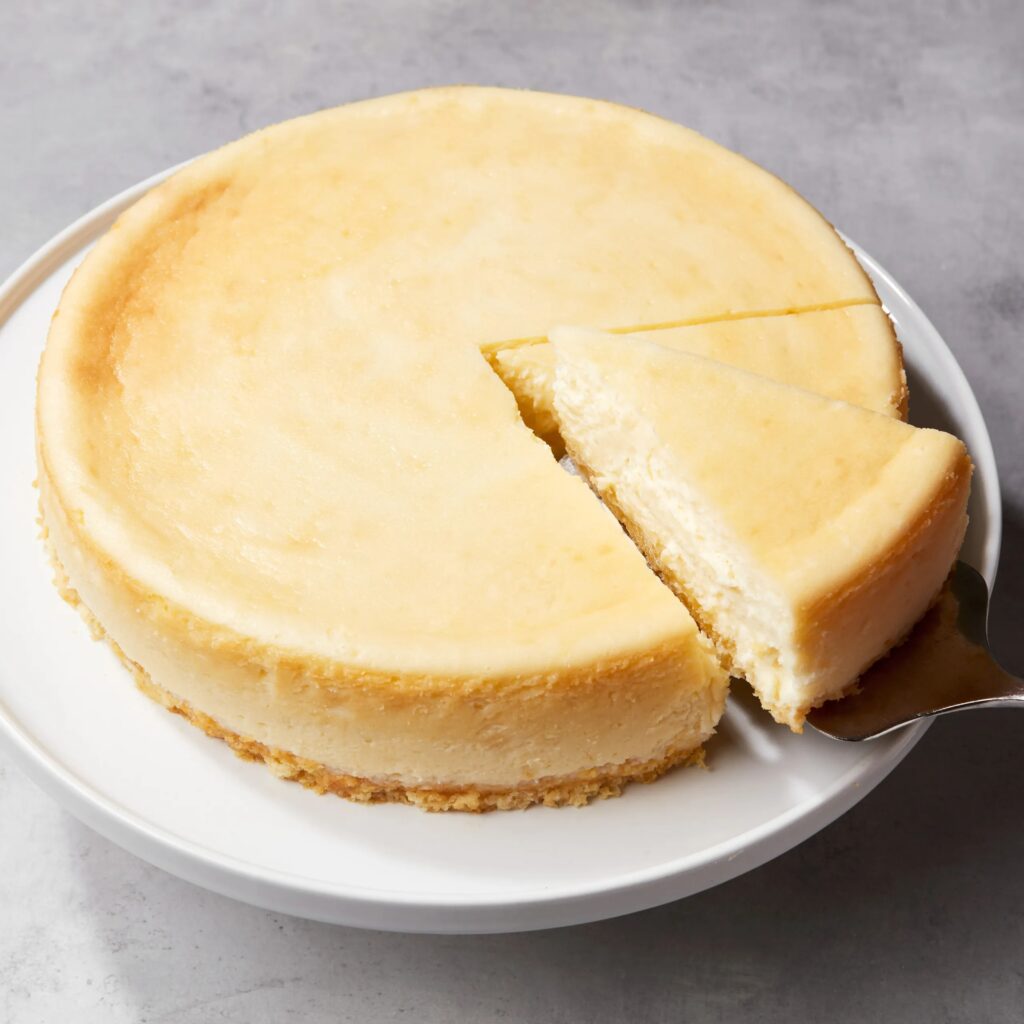
Served in legendary institutions like Junior’s in Brooklyn or S&S in the Bronx, the “proper” way to enjoy it is plain—allowing the quality of the dairy to speak for itself—though a simple topping of macerated strawberries or a light fruit glaze is a frequent concession to color. It is a dessert that mirrors the city’s personality: it is substantial, unpretentious, and utterly unforgettable. To finish a heavy meal with a wedge of New York cheesecake is more than just a sweet ending; it is a final, decadent “Statement of Fact” that in New York, more is always better.
10.The Apple of the Empire: Hudson Valley Cider
Beyond the jagged silhouette of the city skyline lies a landscape of rolling hills and ancient soil known as “Apple Country.” The Hudson Valley, one of the oldest fruit-growing regions in the United States, serves as the agricultural backbone of the Empire State, and its liquid legacy is captured in every glass of crisp cider. This tradition is older than the nation itself; since colonial times, when clean water was scarce and cider was the primary beverage of the frontier, these orchards have fueled New York’s growth. Today, the region is undergoing a spirited “Cider Renaissance,” as a new generation of growers revives heirloom varieties that were nearly lost to history.The soul of Hudson Valley cider lies in the incredible diversity of its fruit—from the tart snap of the Esopus Spitzenburg (a favorite of Thomas Jefferson) to the honeyed sweetness of the Honeycrisp. In the autumn, the air in the valley turns sweet with the scent of “sweet cider”—the raw, unfiltered, and unfermented juice pressed fresh from the harvest and served at roadside stands. However, the region’s true craft is found in its hard ciders, which range from bone-dry and champagne-like to funky, farmhouse-style ferments. Unlike mass-produced commercial brands, these craft ciders are terroir-driven, reflecting the specific minerals of the valley’s silt-loam soil and the cooling breezes of the Hudson River.

Enjoying a glass of cider is a ritual that connects the urban diner to the state’s rural roots. Whether paired with a sharp, aged New York white cheddar or sipped alongside a warm cider donut at a harvest festival, the drink is a celebration of the seasons. It serves as a liquid bridge between the frantic energy of Manhattan and the quiet, rhythmic life of the upstate farmstead. To drink Hudson Valley cider is to taste the history of the land—a refreshing, golden reminder that even in a state defined by its concrete jungles, the heart of New York still beats in its orchards.
New York’s food culture offers no apologies. It is as loud as a Buffalo tavern on game day and as sophisticated as a Manhattan power lunch. It is a cuisine built by the hands of millions, refined in the fire of industrial ovens, and served with a side of local attitude. From the first bite of a morning bagel to the last decadent forkful of cheesecake, the Empire State proves that its true landmarks aren’t made of steel and glass, but of flour, spice, and soul. So, grab a napkin, pick up a fork—or better yet, use your hands—and take a bite. This is New York, and it’s delicious.